
Unveiling the extremes A look at the biggest wins and losses in gambling history
The Thrill of Winning: Legendary Gambling Triumphs
Gambling has always been an alluring venture, particularly when it comes to monumental wins that captivate the public’s imagination. One notable example is the case of Archie Karas, who famously transformed $50 into a staggering $40 million in Las Vegas over a two-year period in the early 1990s. His success was attributed to his high-stakes poker games and exceptional skill. Karas’s tale exemplifies the peak of gambling triumphs, showcasing not just luck but also the prowess that can accompany strategic betting. If you’re interested in exploring more about these thrilling opportunities, you can visit https://polymarket.org.uk/.
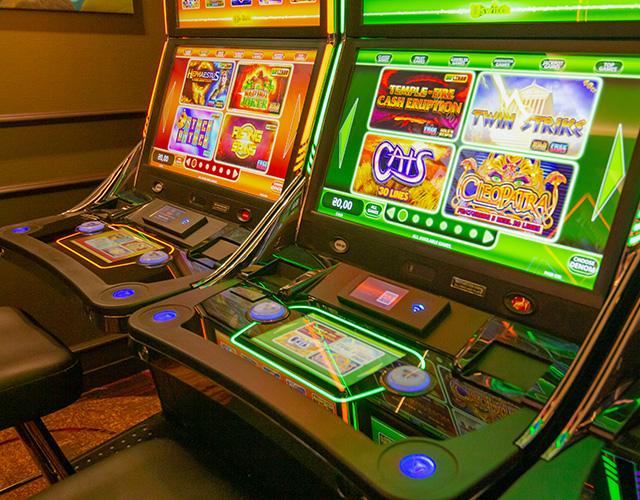
Another legendary win came from a slot machine player in 2003, who hit a life-altering jackpot of $39.7 million at the Excalibur Hotel Casino in Las Vegas. This record-breaking payout highlights the potential for life-changing sums derived from seemingly small wagers. As casinos often promote the excitement of such massive jackpots, this win serves as a reminder of the unpredictable nature of gambling where anything can happen in an instant.
Beyond these individual stories, the collective impact of large wins on the gambling industry cannot be ignored. Major wins often lead to increased interest in casinos and gambling as a whole. They serve as testimonials that draw in both seasoned gamblers and curious newcomers. The publicity surrounding these enormous payouts can lead to a surge in tourism, with visitors eager to try their luck in the same establishments where fortunes have been made.
The Dark Side: Infamous Gambling Losses
While stories of big wins dominate the narrative, the harsh reality of gambling also includes devastating losses. One of the most infamous cases is that of professional gambler and poker player, Phil Ivey, who faced significant legal battles over a massive loss involving edge sorting techniques in high-stakes Baccarat. This incident not only highlights the risks associated with high-stakes gambling but also illustrates how losses can spiral into complicated legal situations, affecting one’s reputation and financial stability.
Additionally, the world of sports betting offers a plethora of stories about staggering losses. The case of the infamous gambler, Billy Walters, who reportedly lost millions on various sporting events, underscores the unpredictable nature of betting on sports. His experiences reflect the thin line between calculated risks and reckless decisions, and how quickly fortunes can change in the world of gambling, often leading to ruinous outcomes.
The psychological toll of such losses is another critical aspect to consider. Many gamblers, after suffering significant setbacks, face addiction and mental health challenges. The emotional rollercoaster that accompanies gambling can lead to cycles of despair and hope, impacting personal relationships and overall well-being. These stories, while less glamorous than those of big wins, are an essential part of the gambling narrative, reminding us that the stakes are high, and losses can be just as extreme.
The Role of Casinos and Regulation in Extreme Outcomes
Casinos play a pivotal role in shaping the landscape of gambling, influencing both wins and losses through their structures and regulations. These establishments are designed to maximize profits, often utilizing tactics such as enticing bonus offers and the allure of luxurious environments to draw in patrons. However, the odds are generally stacked in favor of the house, which can lead to significant financial losses for players, reinforcing the notion that while big wins are possible, they are often outweighed by losses.
Regulation of gambling practices also affects the extremes of winning and losing. In jurisdictions where gambling is heavily regulated, such as Nevada, players are protected by laws designed to ensure fair play. However, in unregulated markets, players can be subject to unfair practices and predatory behaviors by operators. The variance in regulations can lead to more extreme gambling outcomes, highlighting the importance of understanding local laws before engaging in gambling activities.
Moreover, casinos often implement responsible gaming initiatives to mitigate the risks associated with gambling. These programs aim to educate players about the potential dangers of excessive gambling, encouraging self-awareness and moderation. However, the effectiveness of these initiatives varies, and the challenge remains to balance the thrill of winning with the reality of potential losses. Understanding this dynamic can help gamblers make more informed decisions when participating in gambling activities.
The Psychological Factors Behind Gambling Extremes
The psychology of gambling plays a crucial role in both extreme wins and losses. Many gamblers experience a rush of adrenaline when they place a bet, often leading to an excitement that can cloud judgment. This phenomenon, known as the “gambler’s fallacy,” encourages players to believe that previous outcomes affect future results, which can result in reckless betting behaviors. The emotional highs associated with significant wins can create an addictive cycle, compelling individuals to chase that rush again and again, even in the face of mounting losses.
Additionally, cognitive biases such as overconfidence can skew a gambler’s perception of their abilities. Some individuals may believe they have an edge due to past successes or personal strategies, which can lead them to place increasingly larger bets, risking more than they can afford to lose. This overconfidence often blinds them to the statistical realities of the games they engage in, leading to catastrophic financial consequences.
The social aspects of gambling also cannot be overlooked. Many individuals participate in gambling activities to bond with friends or as part of social gatherings, which can further fuel their involvement. The thrill of winning can create a communal atmosphere that enhances the allure of gambling, but it can also mask the underlying risks. Recognizing these psychological influences is essential for both gamblers and operators to foster a safer gambling environment and mitigate the extremes associated with the activity.

Exploring Polymarket UK: The Future of Prediction Markets
In the rapidly evolving landscape of gambling, platforms like Polymarket UK are redefining what it means to engage with real-money trading. Unlike traditional casinos, Polymarket offers a prediction market platform where users can speculate on the outcomes of various events ranging from politics to cryptocurrency. This innovative approach invites participants to leverage their knowledge and insights, potentially leading to significant gains based on informed predictions.
Polymarket UK is committed to transparency and user education, providing essential information about the legality and functionality of its services. This focus on clarity ensures that users can engage confidently while understanding the risks involved in prediction markets. With over 1,450 active markets, the platform is a bustling hub for those looking to explore diverse trading opportunities, setting itself apart from conventional gambling models.
By addressing crucial questions about engagement, legal implications, and fees, Polymarket UK stands at the forefront of a new era in gambling. As the market continues to evolve, it highlights the importance of responsible participation and informed decision-making. This shift toward prediction markets may represent a significant change in how individuals perceive and interact with gambling, potentially leading to more sustainable practices in the realm of real-money trading.
