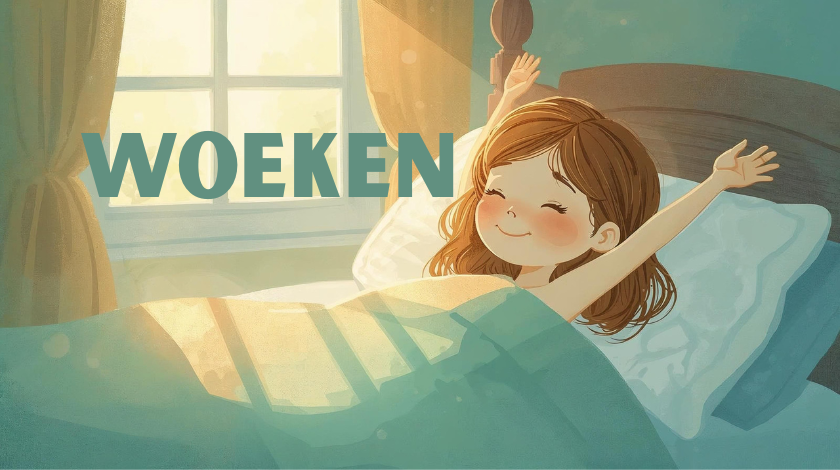

I remember a time, not too long ago, when my life felt like it was playing on a loop. I would wake up to the same aggressive alarm sound, drink the same mediocre coffee, and drive the same route to a job that made me feel like a replaceable cog in a giant, rusty machine. I was successful by most standards. I paid my bills on time, I had a decent social life, and I bought things that the commercials told me would make me happy. But inside, I felt like I was underwater. Everything was muffled. I was going through the motions of a life that didn’t actually belong to me. I call this the sleepwalking epidemic. It is a state where we are physically awake but mentally and spiritually unconscious. We react to things instead of choosing our responses. We follow the scripts written for us by our parents, our bosses, and our culture without ever asking if those scripts make any sense for who we really are. It is a strange way to live, but most of us are so used to the fog that we do not even realize we are in it until something big happens to shake us loose.
What Does it Truly Mean to be Woken?
In recent years, the word woken has been pulled in a dozen different directions, mostly involving politics and social debates. However, when we talk about it from a perspective of personal growth and consciousness, it means something much deeper and more ancient. To be woken is to have a shift in your fundamental perspective. It is the moment you stop looking at the world as a collection of separate objects and start seeing the connections between everything. It is not a buzzword or a trend that you pick up to look cool at a party. Instead, it is a quiet, often uncomfortable realization that you have been living in a dream world of your own making. It is the transition from being a passive observer of your life to being the active creator of it. When you wake up, you start to see the invisible strings that have been pulling you. You see your own biases, your own fears, and the ways you have been lying to yourself to keep the peace. It is about clarity. It is about seeing reality exactly as it is, without the filters of ego or societal expectation.
The First Spark: How the Process Begins
The journey of waking up rarely starts with a peaceful meditation session in a beautiful garden. For most of us, the first spark is a lot more painful. It often comes in the form of a crisis. This could be a sudden burnout where your body refuses to get out of bed one morning. It could be the end of a long relationship that you thought would last forever. It might even be a period of deep grief or a health scare that reminds you of your own mortality. For me, it was a moment of total exhaustion during a Tuesday afternoon meeting. I looked around the room and realized that nobody there actually cared about what we were discussing. Yet, we were all pretending it was the most important thing in the world. That tiny crack in the illusion was enough to let the light in. These triggers are like a spiritual alarm clock. They are loud, annoying, and designed to make you so uncomfortable that you finally open your eyes. You cannot fix a life you are not willing to look at honestly, and these sparks of pain force you to look.
The Emotional Rollercoaster
Once you start the process of waking up, you might expect to feel an immediate sense of peace and zen. The reality is much messier than that. The journey is an emotional rollercoaster that can make you feel like you are losing your mind. One day, you feel a sense of intense joy and gratitude because you finally see the beauty in a simple sunset or a conversation with a stranger. The world feels vibrant and full of possibility. But the next day, you might feel a crushing sense of sadness. This happens because, as you gain new awareness, you also realize how much of your life you have wasted. You feel the pain of the years you spent trying to please people who did not matter. You feel the loss of the old version of yourself. This is a natural part of the healing process. You cannot build a new house on top of a rotten foundation. You have to tear the old one down first, and that demolition phase is loud and dusty. It is a cycle of discovery and loss that repeats until you find a new balance.
Navigating the “Dark Night of the Soul”
There is a specific part of this journey that is particularly difficult, often called the night of the soul. This is not just a bad mood or a rough week. It is a deep, existential crisis where everything you used to believe in starts to fall away. You might feel like you don’t know who you are anymore. Your old hobbies seem pointless, your career feels like a sham, and you might even feel disconnected from your own family. It is a period of total isolation where you are forced to sit with your own thoughts and shadows. I remember spending weeks feeling like I was in a void. I didn’t want the old life back, but I couldn’t see the new one yet. The key to navigating this time is not to run from the darkness. We live in a culture that tells us to stay positive and keep moving, but sometimes the most “woken” thing you can do is to sit still and feel the sadness. This is the stage where the ego is being dismantled. It is painful because the ego is what we have used to protect ourselves for years. Letting it go feels like being skinless, but it is the only way to grow a stronger, more authentic core.
Rewiring Your Daily Habits
As your internal world changes, your external world must follow suit. You cannot be a conscious person if you are still living a completely unconscious daily routine. Rewiring your habits is the practical side of being woken. It starts with your attention. Most of us give our attention away for free to social media, 24-hour news cycles, and mindless entertainment. When you wake up, you start to realize that your attention is your most valuable resource. You might find yourself turning off notifications or choosing to read a book instead of scrolling through a feed of strangers. You start paying attention to what you put in your body, too. You notice how certain foods make you feel sluggish or how alcohol numbs the very clarity you are trying to cultivate. These aren’t just “lifestyle choices” as a magazine would describe them. They are acts of self-respect. You are building a temple for your new consciousness to live in. It takes discipline, especially when the world around you is designed to distract and impel you.
The Impact on Relationships
One of the hardest truths about waking up is that not everyone can go with you. As you change your perspective and your habits, you will inevitably find that some of your relationships start to feel strained. This is because many friendships and even family dynamics are built on shared habits or shared miseries. If your primary bond with a friend was complaining about your bosses over drinks, and you suddenly stop wanting to complain, that bond will weaken. This can be heartbreaking. You might feel like you are being elitist or “too good” for people, but that isn’t it at all. It is simply a matter of frequency. If you are trying to live a life of honesty and growth, it is very hard to spend time around people who are committed to staying in the fog. You have to permit yourself to let people go with love. This doesn’t mean you have to have a big fight. It just means you stop forcing connections that are no longer there. Eventually, you will find new people who are on your level. These people want to talk about ideas and growth, not gossip and drama.
Staying Grounded in a Material World
A common mistake people make when they start this journey is thinking they have to leave society to be truly woken. They think they need to sell all their belongings and live in a hut somewhere to find the truth. While that might work for some, the real challenge is staying conscious in the middle of the modern world. You still have to pay your taxes. You still have to do your laundry. You still have to deal with difficult people at work. The goal is to bring your new awareness into these mundane tasks. It is about finding the sacred in the ordinary. When you are washing the dishes, you are just washing the dishes, fully present in the moment. When you are stuck in traffic, you use that time to practice patience rather than screaming at the dashboard. This is where your spiritual growth is actually tested. It is easy to feel a “high vibe” at a yoga retreat. It is much harder to maintain that peace when your boss is being unfair, or your car won’t start. Staying grounded means being a functional, reliable human being who happens to see the world through a much wider lens.
Conclusion: The Journey Never Truly Ends
The most important thing I have learned on this path is that there is no finish line. Being woken is not a state that you reach and then stay in forever. It is a practice. It is something you have to choose every single day. Some mornings you will wake up feeling connected and wise, and other mornings you will wake up feeling annoyed and small. That is the human experience. The difference is that once you have seen the truth, you can never fully go back to sleep. You will always have that little voice in your head reminding you of who you really are. This journey is about coming home to yourself. It is about stripping away everything that is not you, leaving only the truth. It is a long road, and it is often a lonely one, but I can tell you from experience that the view from this side of the fog is worth every bit of the struggle. You finally get to live your life as a participant rather than a spectator.
FAQ
1. Is being woken the same as being religious?
Not necessarily. While many people use religious frameworks to describe their awakening, the process itself is more about personal consciousness. You can be an atheist and still experience a profound awakening to the reality of your own mind and habits. It is more about psychology and awareness than it is about a specific set of dogmas or rules.
2. How long does the “Dark Night of the Soul” last?
There is no set timeline for this. For some, it might be a few months of intense questioning. For others, it could be a slower process that takes years. It usually lasts as long as it takes for you to stop resisting the change. The more you try to hold on to your old self, the longer the transition usually takes.
3. Will I lose all my friends if I start this journey?
You won’t lose everyone, but your inner circle will likely change. The people who truly love you and are also growing will stay. The people who were only there because you were “convenient” or shared a specific vice might drift away. It is a natural pruning process that makes room for deeper, more honest connections.
4. Can I go back to “sleep” if I find this too hard?
You can try, but it usually doesn’t work. Once you have seen through an illusion, it is very hard to un-see it. You might distract yourself with old habits for a while. Still, the dissatisfaction will eventually return, usually even stronger than before. The only way out is through.
5. How do I start waking up right now?
The simplest way to start is to practice silence. Spend ten minutes a day sitting without your phone or any distractions. Just watch your thoughts without judging them. You will quickly realize that you are not your thoughts; you are the one observing them. That realization is the foundation of everything else.